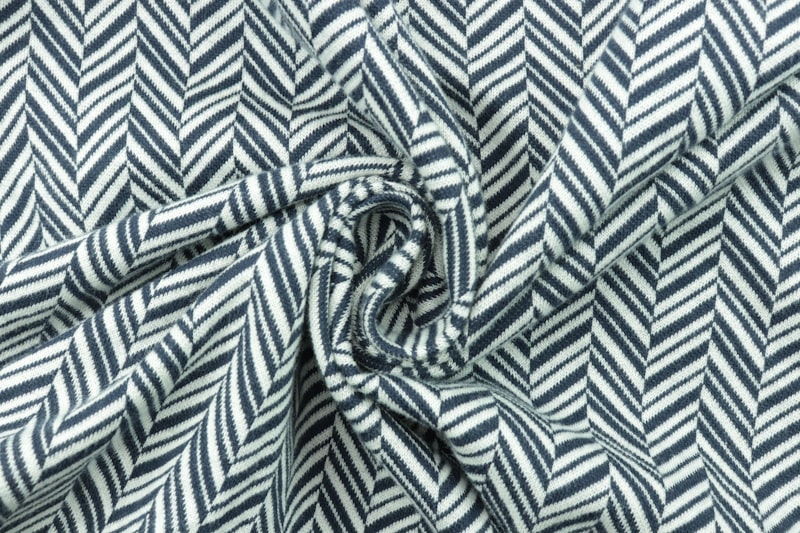
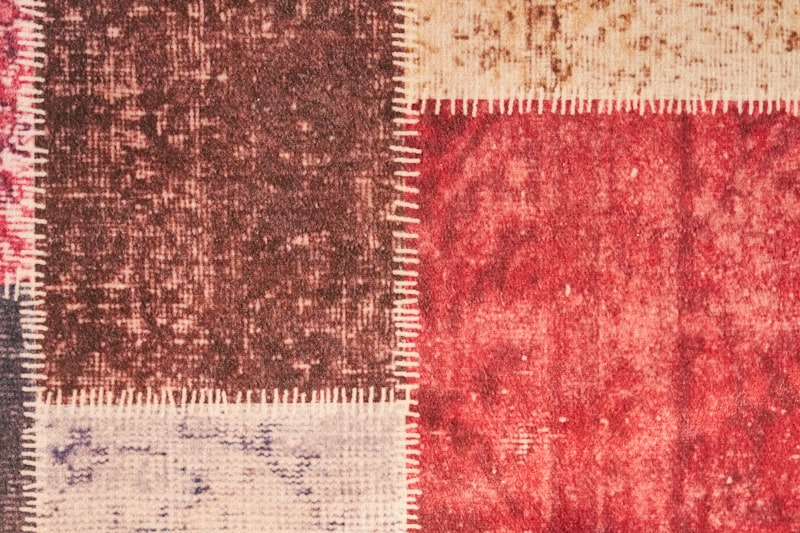
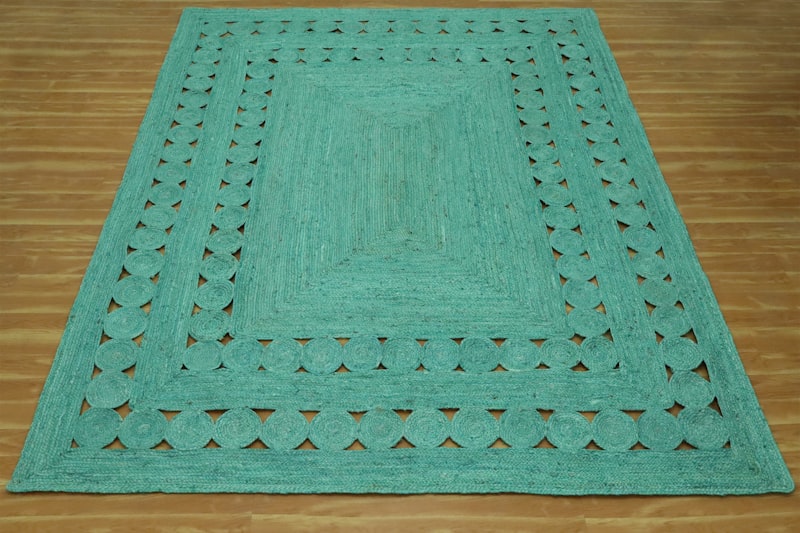
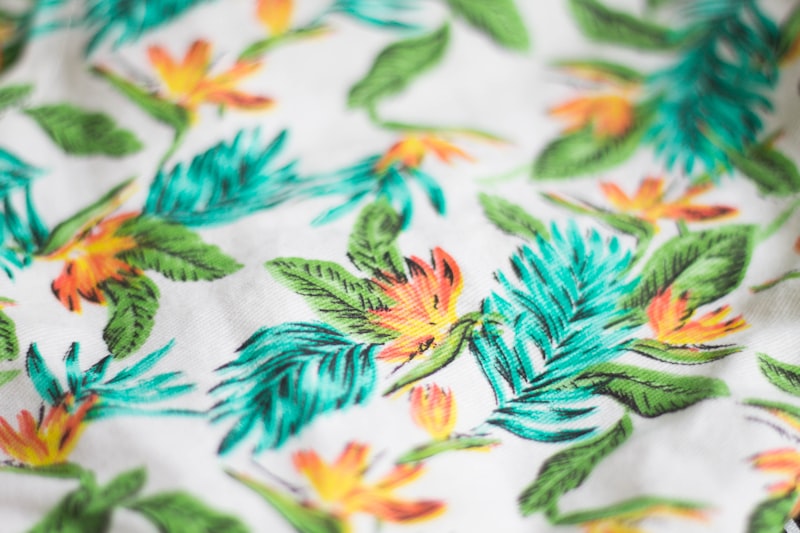
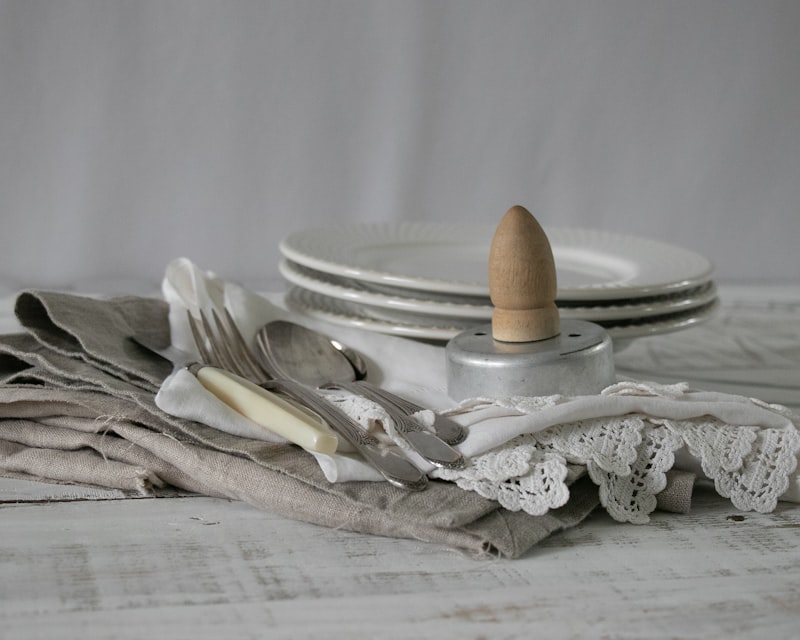
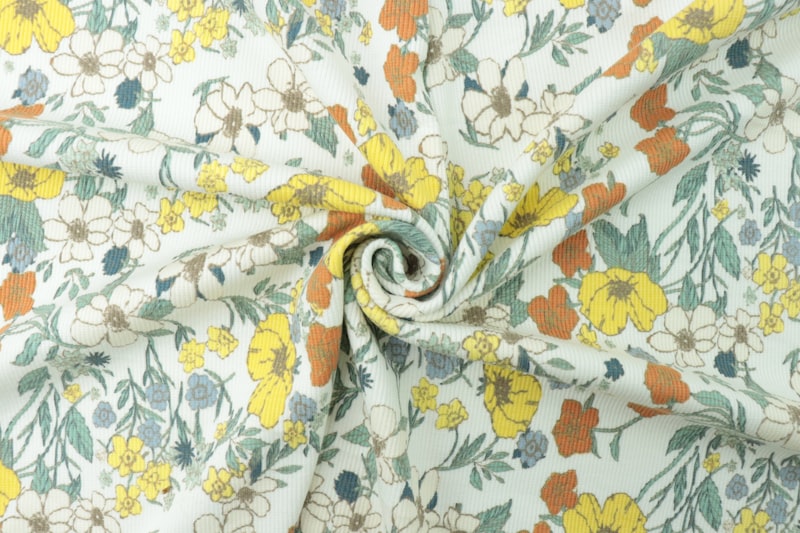
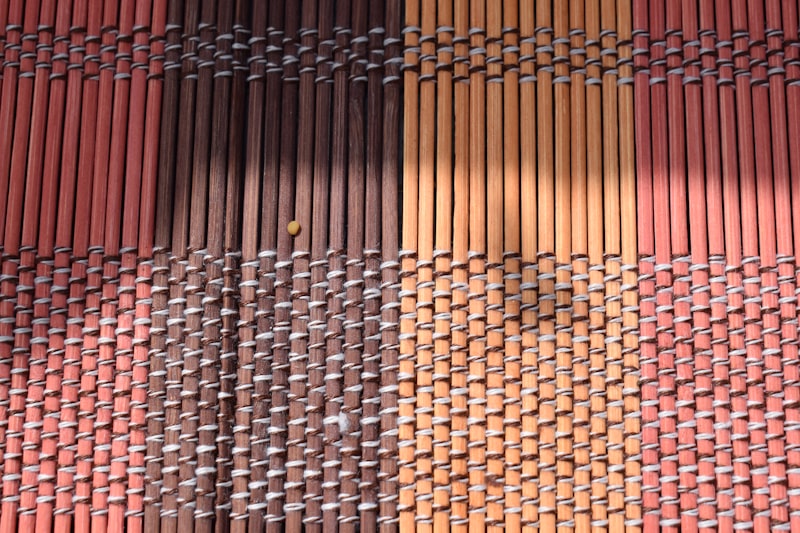
Biodegradable curtains, table linen & shower textiles — woven by artisan craftspeople in Panipat & Jaipur using patented CiCLO® biodegradable technology.
· Biodegradable Technology
CiCLO®
CiCLO®
CiCLO®
CiCLO®Every time you wash a synthetic curtain or tablecloth, millions of microscopic plastic fibres flow silently from your drain into rivers, seas and eventually your food. They never break down. Until now.
Each wash cycle sheds up to 700,000 microplastic fibres from a single synthetic textile item.
Wastewater treatment plants capture only 70–80% of microplastics. Millions escape into waterways every day.
Fish eat microplastics. We eat the fish. Human blood, lungs, and placentas now routinely test positive for microplastics.
The curtain you bought today will still be releasing plastic into the environment well into the 22nd century.


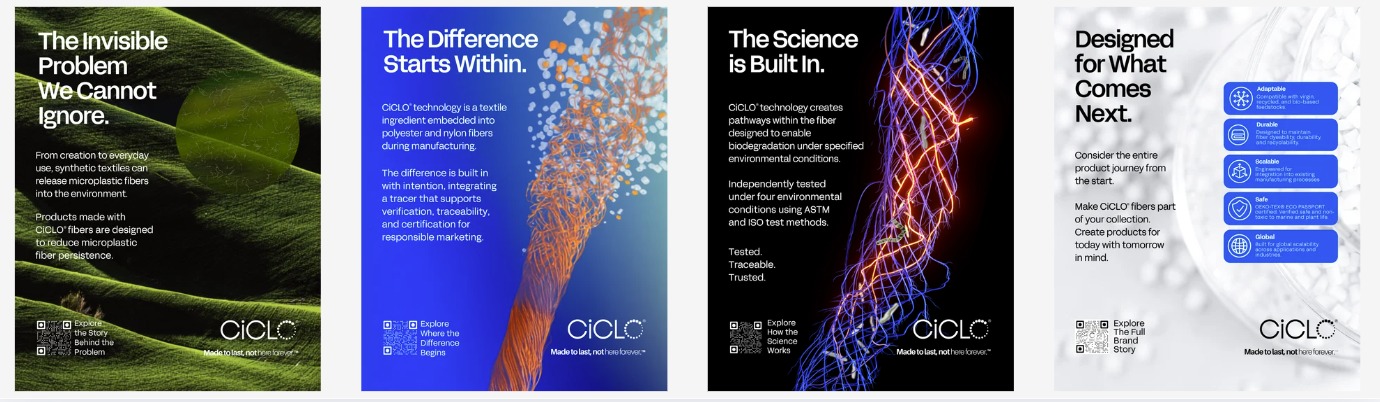
Certified · Tested · Traceable · Trusted — Made to last, not here forever.™CiCLO® is a patented additive fused into polyester during melt extrusion — it creates biodegradable spots in the plastic matrix where naturally-occurring microbes can break the fibre down, just like wool or cotton.
The result: synthetic textiles with all the durability and performance you expect, that biodegrade responsibly when they reach the environment.
CiCLO® is fused into polyester pellets during melt extrusion at Jiwarajka's facility. It becomes part of the molecular structure.
Identical durability, colour, and handle to conventional polyester. CiCLO® only activates when fibres reach an active microbial environment.
Third-party ASTM tests confirm 94% biodegradation in seawater and 91% in soil. Only biogas and biomass remain — no toxic residue.
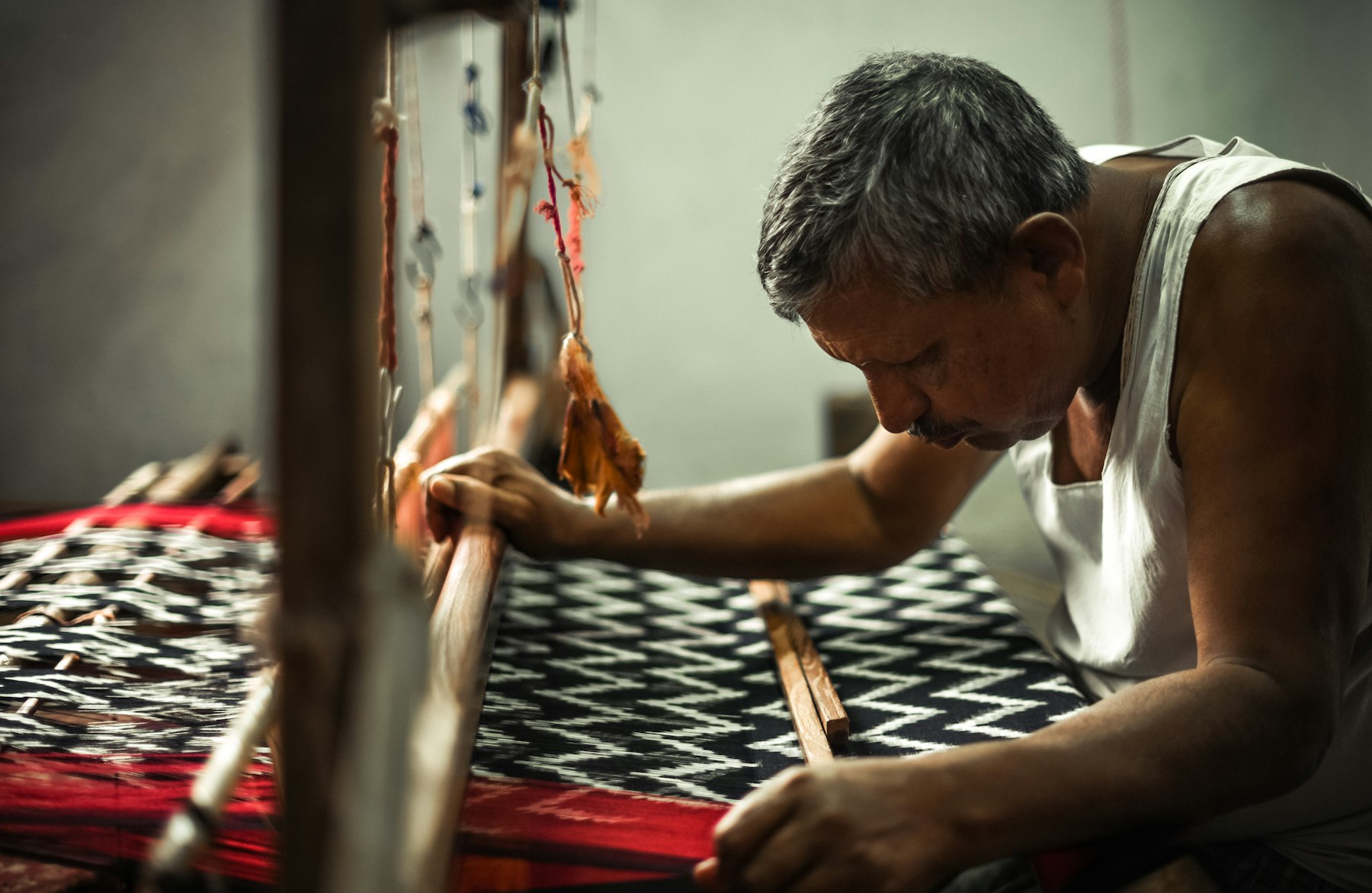
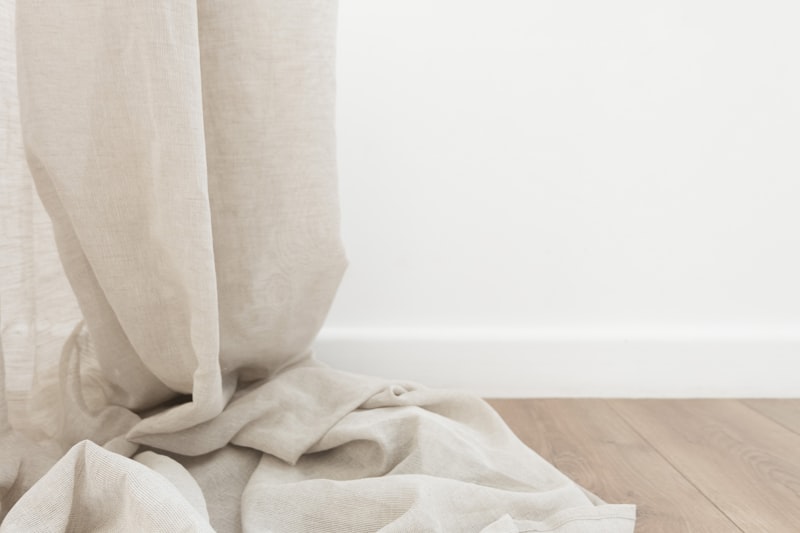


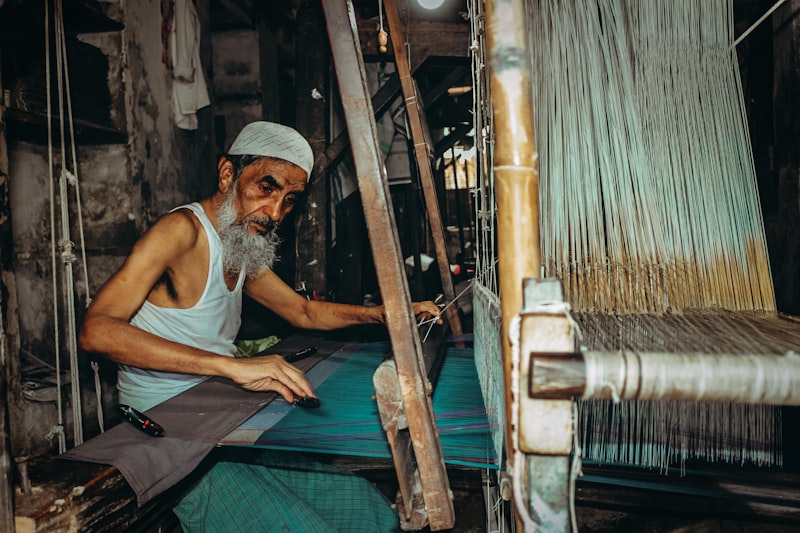
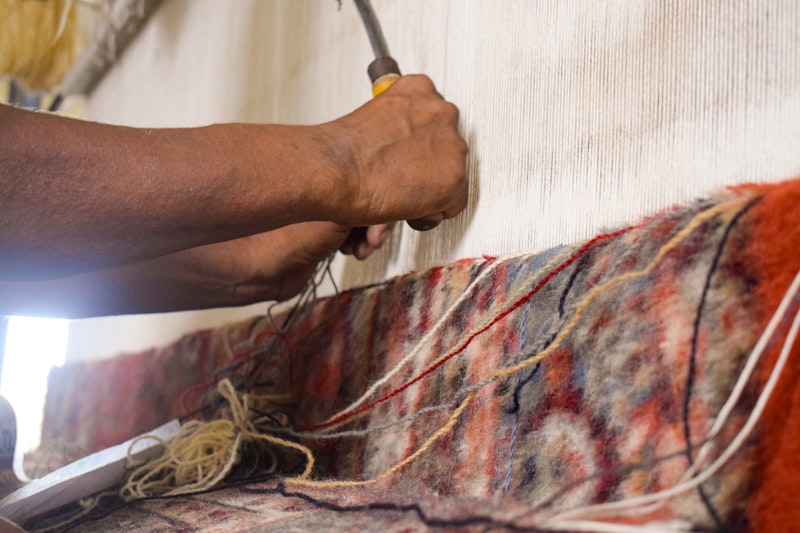
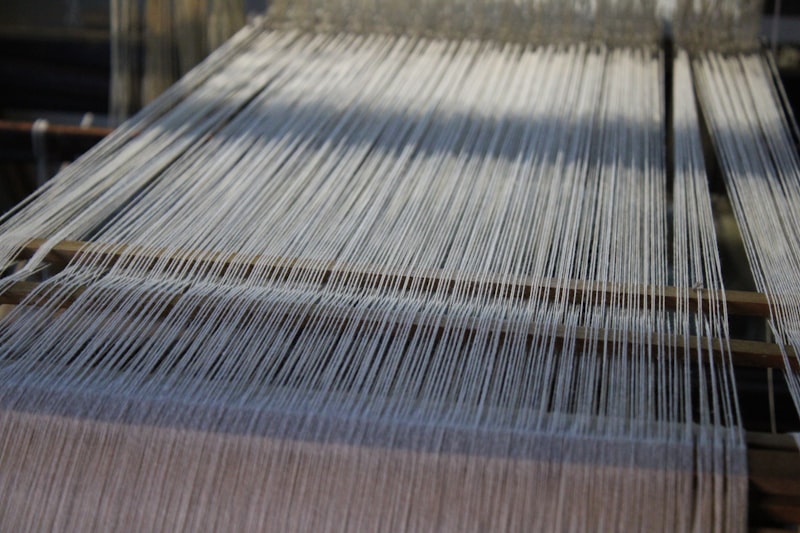
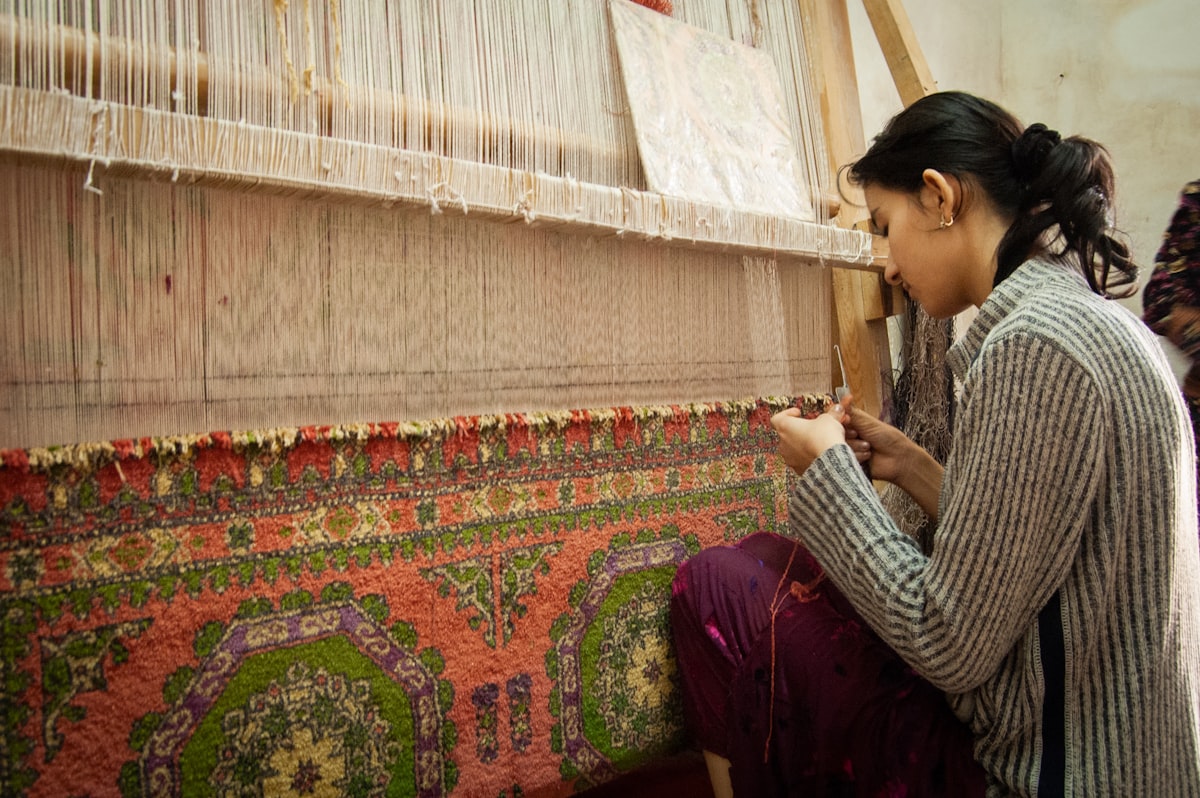
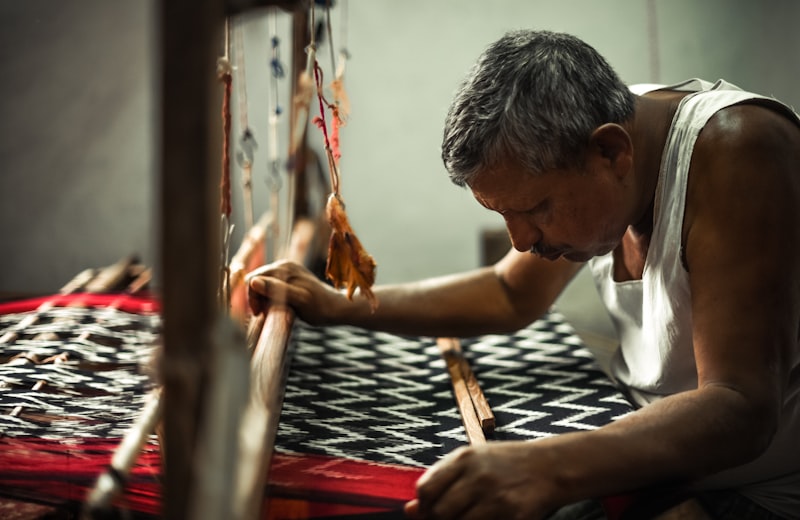
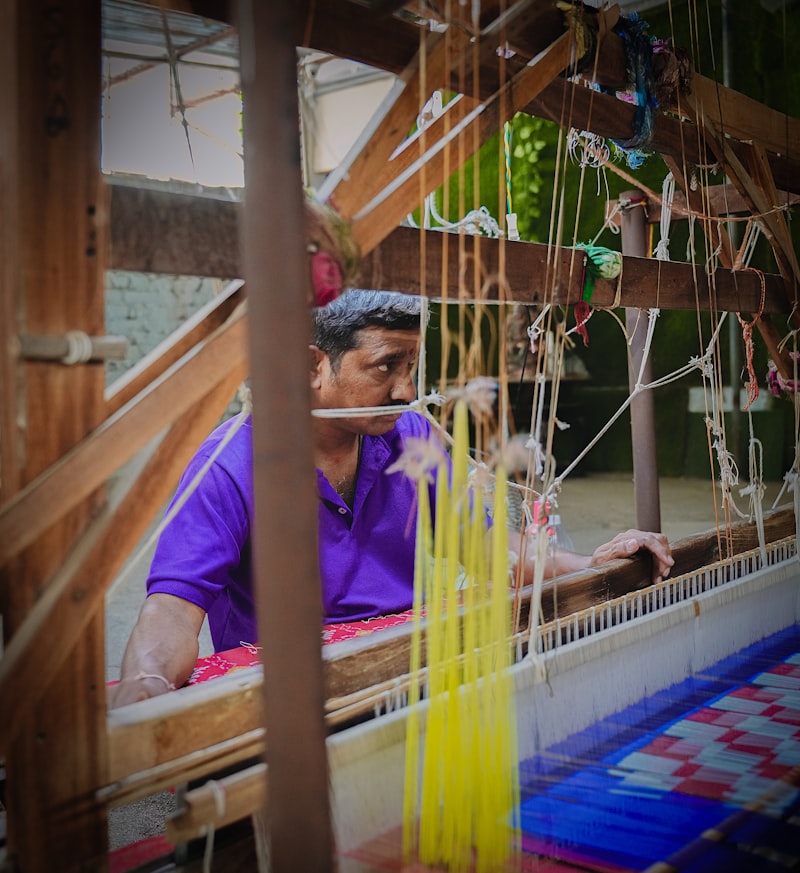
Each product is handwoven or handloomed, made with CiCLO® biodegradable polyester, and crafted by artisans in Panipat and Sanganer — where the maker is named, the yarn is certified, and the premium you pay reaches the person who made it.
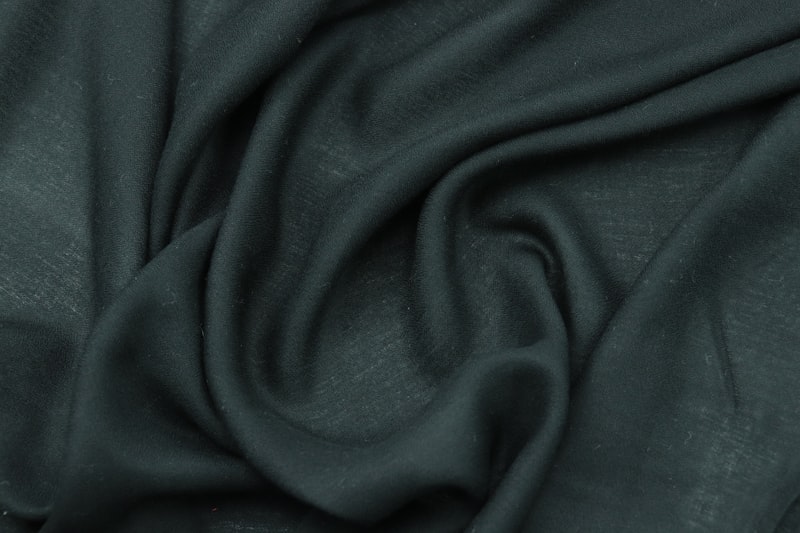


Jiwarajka Textile Industries — one of India's leading polyester DTY manufacturers with facilities in Daman and Silvassa — officially partnered with CiCLO® technology in April 2025. As EcoWeave's certified yarn supplier, Jiwarajka integrates CiCLO® active ingredients into polyester DTY at the melt extrusion stage, issuing a Certificate of Authenticity with every lot. Their decision to make certified yarn accessible to small artisan clusters in Panipat and Sanganer — at quantities suited to weavers with just a handful of looms — is what makes EcoWeave's income-uplift model possible.
Read the Jiwarajka × CiCLO® Story ↗Makes certified CiCLO® DTY available at MOQs suited to small weaver clusters — putting global-brand-quality yarn in the hands of individual artisans.
Issues a Certificate of Authenticity per yarn lot — the document that makes every EcoWeave CiCLO® claim independently traceable from fibre to finished product.
The same certified yarn used by Target, Walmart & Billabong. EU and US buyers can trace every EcoWeave product back to a globally credentialled manufacturer.
Offers dope-dyed CiCLO® variants — richer colour, less water — and maintains rPET recyclability. Recyclable when possible, biodegradable when not.
A deliberate commitment by an established manufacturer to back a student-founded initiative — bringing scale and infrastructure to EcoWeave's artisan story and D2C channel.
Daman & Silvassa facilities. ISO certified. The supply-chain backbone that ensures EcoWeave can scale from artisan pilot to national and export volumes.
"Every yarn can tell a story of progress. Jiwarajka is threading the needle between performance and purpose."

EcoWeave® is more than a product line — it's an economic model. By sourcing CiCLO® certified DTY yarn from Jiwarajka India and channelling orders through our artisan-certified supply chain, we give weavers access to a premium market that simply didn't exist before.
A weaver earning ₹88/metre on commodity polyester earns ₹114/metre on CiCLO® certified EcoWeave® fabric. That 29% uplift changes lives.
India's home textile capital. 8-loom to 100-loom operators transitioning to CiCLO® certified production.
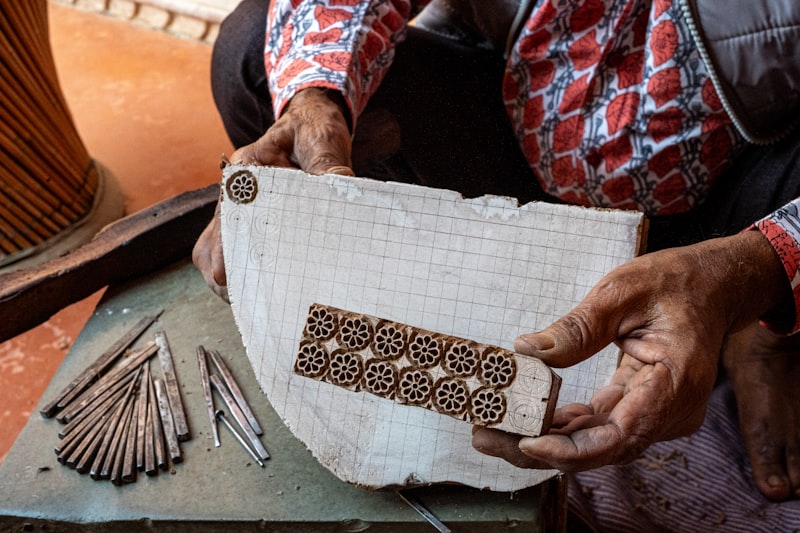
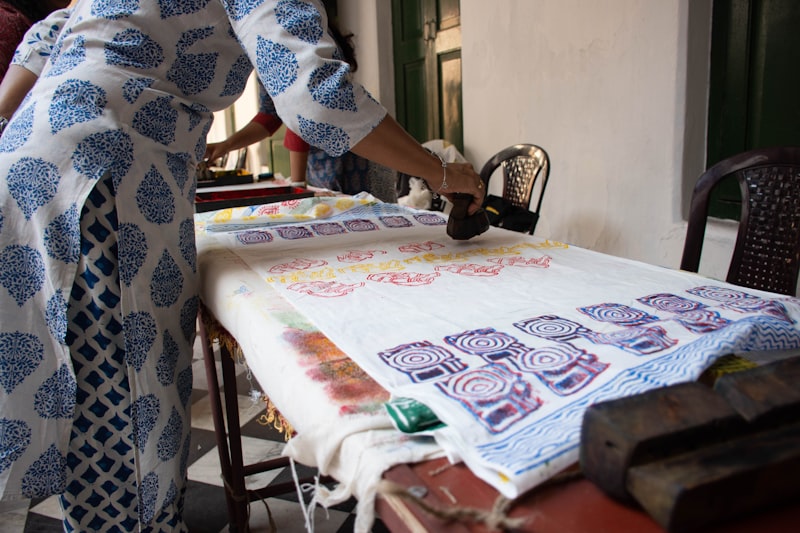
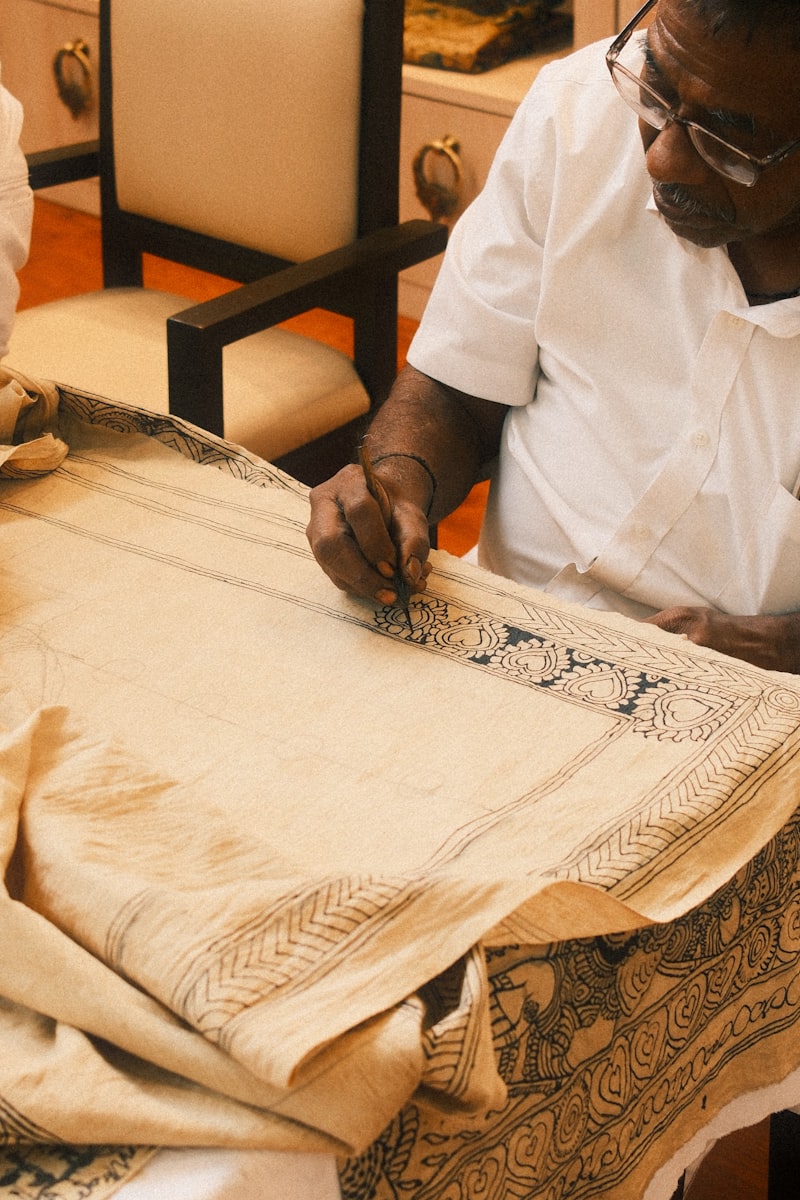
Block print and weaving artisans. Ancient craft techniques on next-generation biodegradable substrate.
35% of ocean microplastics come from synthetic textiles. Every EcoWeave® purchase directly attacks that statistic.
Certified weavers earn ₹110–120/m vs ₹85–95/m for commodity polyester. Technology creates tangible income uplift.
Founded by a high-school student with a conviction: that young Indians can build globally relevant impact businesses.
CiCLO® is fully compatible with rPET recycling streams — recyclable when possible, biodegradable when not.
EcoWeave's artisans earn more because of CiCLO® certification. They keep more because of Sutradhar's government scheme awareness programme. Three weavers. Real numbers.
📍 Sector 12, Panipat
📍 Rajiv Colony, Panipat
📍 Sanganer, JaipurSutradhar (सूत्रधार) means "the one who holds the thread" — the master weaver who ties everything together. EcoWeave's Sutradhar initiative documents, dignifies, and economically empowers the artisan families of Panipat and Jaipur whose hands make our products possible.
It is not charity. It is recognition. It is market access. It is a named identity on every product shipped.
Every artisan in the Sutradhar network has a documented skill profile — their technique, their cluster, their years of mastery. We record what they know so it is never lost. Block printing passed down 12 generations. Loom patterns woven without a written pattern for 40 years. Sutradhar makes the invisible, visible.
CiCLO® certification means certified artisans earn ₹110–120/m instead of ₹85–95/m. Sutradhar tracks and publishes every weaver's actual realisation — transparently, publicly. No opaque middlemen. No exploitative pricing. The income uplift is the social impact. The market makes it permanent.
Every EcoWeave product ships with the name of the artisan who made it. Not a factory code. A name. A face. A place. Sutradhar builds individual artisan profiles — photographed, written, published on ecoweave.in — so a buyer in London or New York knows whose hands touched their curtains.
📍 Sector 12, PanipatHunar"The border is the signature. Anyone can weave the centre. Every corner is a decision — and a good weaver's corners meet perfectly."
📍 Sanganer, JaipurHunar"Every dyer had his own formula for the indigo vat. My father's formula died with him. That loss is not small."
📍 Rajiv Colony, PanipatHaath"My father forced me into this work and I resented it for ten years before I loved it. I don't want to make that mistake with my own son."
📍 Noor Mohalla, PanipatHaq"After thirty years at a pit loom you don't sit straight anymore. The hands, though — the hands have never ached."
📍 Ansari Mohalla, PanipatHunar"A machine makes the same knot 10,000 times without getting bored. I make each one with a decision. The carpet knows when your hands are peaceful."
📍 Chhipa Mohalla, SanganerHunar"This block — fifteen years I have been pressing it. My hands know its weight before I pick it up. The block does not need to tell me when it is right."
📍 Sector 8, PanipatHaath"When this rug leaves here, I don't know where it goes. I won't be there to explain it. The work has to speak by itself."
📍 Sanganer, JaipurHaath"A good block stamp is like a signature. You can always tell which hand pressed it, even fifty years later. The pressure is personal."
EcoWeave was co-founded by Aarav and Navya Gupta — a brother and sister from Jaipur who share the belief that sustainable design must serve two masters equally: the planet, and the artisan who makes the product possible. Aarav leads the venture as CEO, building the technology platform and commercial strategy. Navya leads creative direction, ensuring every product is beautiful enough to be chosen and honest enough to create lasting change.
"EcoWeave was born from a simple conviction — that sustainable textiles must be economically superior for the producer, or they will never scale."
Aarav leads EcoWeave as its founding CEO. He identified the microplastic crisis in synthetic home textiles, discovered CiCLO® technology, and built the artisan platform model from the ground up. He also founded Sutradhar — the government scheme awareness and artisan documentation initiative that has unlocked ₹75,000 in toolkit grants and ₹44L+ in insurance coverage across Panipat and Sanganer clusters.
Aarav's core insight: sustainability only becomes permanent when the economics work for every person in the supply chain. EcoWeave proves this — CiCLO® certified weavers earn ₹110–120/m vs ₹85–95/m for commodity polyester. The certification doesn't cost the weaver. It pays them.
"If I can make you fall in love with a rug or a tablecloth, I can guarantee the weaver behind it earns what they deserve. Design is the mechanism of that guarantee."
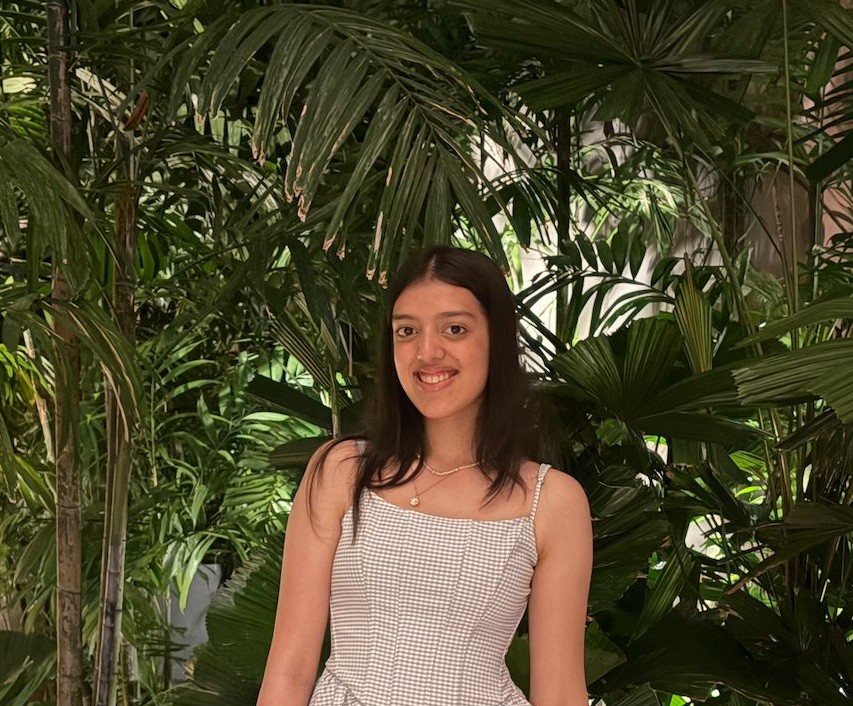
I co-founded EcoWeave to do something that felt urgent — make sustainability beautiful enough that people actually want it. My work starts with the artisan: their intuitions about colour, their hand-memory from decades of weaving, their instinct for proportion. I bring that inheritance into dialogue with contemporary aesthetics, so every piece we create is rooted in craft but at home in a modern space.
A product that sits on a shelf doesn't lift anyone. When I enhance the design quotient of what our weavers make — sharpening the appeal, connecting traditional skills with modern aesthetics — the product earns a premium. That premium flows back to the maker. So design, for me, is not decoration. It is the mechanism through which artisans earn what they deserve, and sustainable textiles prove they belong in the mainstream.
"EcoWeave was born from the belief that true sustainability must be economically viable for the producer — or it simply won't last."
I'm Aarav Gupta. Growing up in Jaipur — a city rooted in centuries-old textile traditions — I watched local artisans abandon sustainable heritage fabrics for cheap synthetics just to survive economically. At the same time, my research revealed the devastating microplastic crisis these synthetics were causing globally.
I discovered CiCLO® technology — a patented biodegradable fibre additive already trusted by Target, Walmart, Best Western Hotels and Billabong globally — and realised no Indian home textile brand had adopted it. EcoWeave® was the answer: bring CiCLO® to India, prove the commercial case, then open the platform to every weaver who wants better realisations and a story worth telling.
A charity model creates dependency, not resilience. EcoWeave® is built on two pillars: Technology Transfer (CiCLO® into artisan supply chains) and Market Access (a D2C platform connecting certified artisans directly to conscious global buyers). The technology makes the economics work. The economics make the sustainability permanent.
Join the movement towards homes that give back to the planet.